How to Plan Transportation for Weddings and Large Events
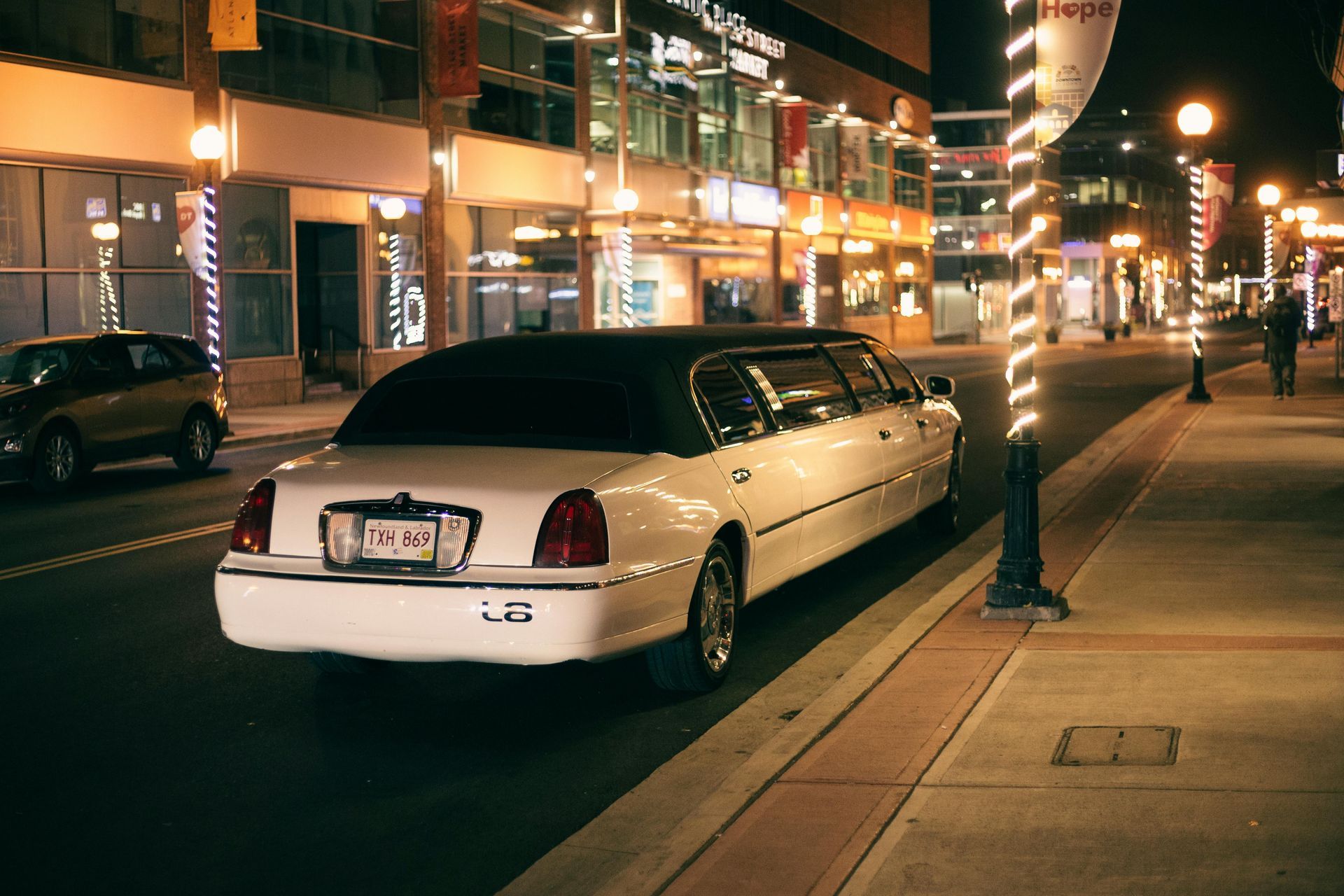
Large weddings and events are shaped by seamless, well-timed moments, where guests arrive relaxed, schedules stay intact, and the overall experience feels intentionally organized. Even though transportation can be subtle, it greatly affects the event’s smooth operation. Seamless transit keeps the mood upbeat and focused on the celebration. Inefficient transportation can lead to stress, confusion, and delays. Planning with care makes logistics an asset rather than a distraction.
From the earliest arrival to the final departure, transportation touches nearly every phase of a wedding or large event. Coordinating various vehicles and timelines calls for precision and attention to detail. Luxury transportation service enhances this process by prioritizing comfort, professionalism, and structure throughout the day. When transportation is handled with intention, hosts can focus on meaningful moments instead of logistics. A well-planned transportation strategy contributes to a calm, polished, and memorable event experience.
Evaluating Your Event’s Transportation Needs
Successful transportation begins with fully grasping the scope of the event. Factors like attendee numbers, activity sequences, and venue logistics must be assessed. Ceremonies, receptions, photo opportunities, and post-event activities are common elements. Every movement between locations requires attention to scheduling. Recognizing these details beforehand reduces the risk of last-minute problems.
At this stage, The Good Life Transportation Company carefully assesses transportation integration into the event. Potential timing conflicts, guest flow, and bottlenecks are analyzed for smooth transitions. Thorough review ensures transportation feels seamless and unobtrusive. Planning for potential challenges helps maintain smooth operations. The result is a strategy that aligns seamlessly with the event’s rhythm and expectations.
Building a Clear and Reliable Transportation Timeline
Maintaining consistency requires a clear and structured transportation timeline. The schedule includes pick-up windows, travel times, extra buffers, and departures. Flexible scheduling allows for minor adjustments without disrupting the overall plan. Precise timing ensures seamless transitions between each part of the event. Guests benefit from predictable and organized transportation experiences.
Aligning the transportation timeline with the event itinerary is critical for smooth coordination. Coordinating with organizers allows transportation to enhance the event experience. Proper alignment prevents confusion and ensures team communication is effective. A common timeline permits timely adjustments if needed. Consistency in scheduling reinforces confidence and professionalism throughout the event.
Making Guest Comfort a Priority in Every Transportation Step
Comfort is a key factor in the perception of transportation at weddings and large events. Guests appreciate comfortable, smooth, and well-managed transportation. Relaxed guests are better able to enjoy and engage with the celebration. Transportation should feel like a continuation of the event’s hospitality. Focusing on comfort demonstrates thoughtfulness and respect for guests.
Beyond physical comfort, clarity and organization also shape the guest experience. Clearly communicated pickup locations and orderly boarding reduce uncertainty and delays. Clear communication helps guests feel confident and reduces anxiety. Logical and easy-to-follow transitions prevent stress. A thoughtful approach reinforces the event’s professional and welcoming atmosphere.
Coordinating Multiple Guest Groups Efficiently
Large events often involve multiple groups that require different transportation arrangements. Different groups such as wedding parties, relatives, and attendees often follow unique itineraries. Managing all these groups takes detailed planning to make sure everyone is accommodated. Addressing the requirements of each group without affecting the schedule is essential. Dividing groups effectively keeps transportation streamlined and well-managed.
Overseeing different groups needs precise coordination and strong communication. Coordinated teamwork between chauffeurs and planners guarantees schedule adherence for all groups. Guests experience smooth transitions without being aware of the complexity involved. Behind-the-scenes planning ensures the event maintains a seamless flow. Careful attention to group logistics reduces confusion and prevents delays.
Ensuring Consistent and Dependable Transportation
Dependable check here transportation is critical for a well-organized event. On-time transportation ensures ceremonies, receptions, and event activities proceed smoothly. Consistent execution ensures that transportation does not become a source of stress. Guests and hosts alike benefit from dependable service. Consistency builds trust and supports the overall success of the event.
Preparation and professionalism play a central role in maintaining reliability. Timing and readiness of vehicles and drivers are closely monitored to maintain consistency. Each transfer is managed carefully to preserve the event’s rhythm. Organized planning helps prevent delays and keeps transitions smooth. Maintaining consistent service ensures the event progresses as planned.
Integrating Transportation Into Event Design
Transportation is most effective when integrated into the event plan. The appearance and pacing of transport contribute to the event’s ambiance. Integration with scheduling, décor, and guest flow maximizes the impact of transportation. Intentional planning ensures that arrivals and departures feel purposeful. Transportation that fits naturally into the event design increases overall quality perception.
Transportation works best when it aligns with the event’s vision and structure. Vehicles arrive at moments that support the event narrative rather than interrupt it. Proper synchronization creates a professional and polished atmosphere. Subtle coordination enhances guests’ perception of a well-run event. Well-planned transit is part of the overall celebratory experience.
Managing Final Transitions and Departures
The final moments of an event are as critical as the opening. Efficient exit planning ensures guests depart stress-free. A structured timeline for departures avoids bottlenecks and disorder. Guests appreciate a smooth and organized exit after a long and meaningful event. The last transition contributes heavily to the guests’ overall perception.
Post-event transportation requires the same level of structure as earlier phases. Planning the final exits helps guide guests efficiently through the conclusion. Maintaining the same attention to detail at the end emphasizes professionalism. Properly managed departures highlight the planning behind the event. The transportation plan is critical through the last moments of the event.
The Role of Transportation Planning in Event Success
Transportation planning is a strategic component that influences the success of weddings and large events. By addressing timelines, comfort, reliability, and coordination, transportation supports the event’s structure and flow. Each transition plays a role in maintaining momentum and guest satisfaction. Careful planning of transport improves the quality of the celebration. A well-organized transportation strategy supports a confident and seamless event.
The Good Life Transportation Company ensures each event receives meticulous, professional, and high-quality transportation. Focus is on coordinating transportation, maintaining reliability, and enhancing guest experiences at all times. Transport is integrated as a fundamental part of the event experience. Commitment to excellence guarantees efficient, stress-free transportation. Thoughtful planning ensures transportation contributes meaningfully from beginning to end.